

ASEAN’s Strategic Autonomy Is Harder Than It Sounds

Hedging between major powers is not a strategy on its own. What would a credible autonomy agenda require from Southeast Asian governments?

Why Middle Powers Are Rewriting the Indo-Pacific Playbook
Australia, Japan, India, Indonesia and others are building overlapping partnerships that no single great power controls.
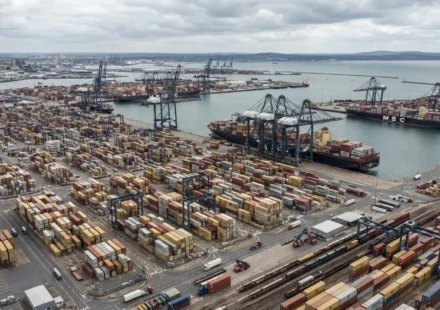
Supply-Chain Diversification and the Limits of Friend-Shoring
Reorienting production toward trusted partners reduces some risks while creating others. Policymakers should be honest about the trade-offs.

Cyber Resilience for Critical Infrastructure: A Regional Gap
Ports, grids and telecom networks are digitising faster than the regulatory and technical safeguards that protect them.

Anti-Corruption Reform Needs Institutions, Not Slogans
Campaign pledges rarely survive contact with procurement offices. Durable reform is built from independent agencies, open data and protected whistleblowers.

The Quiet Return of Great-Power Summitry
Leader-level meetings can lower tension, but smaller states should read the fine print before celebrating.

Energy-Transition Diplomacy in South Asia
Cross-border grids and shared hydropower could reshape regional relations, if politics allows.

What Europe Can Learn from ASEAN Centrality
Convening power, not military weight, is ASEAN’s main asset. European policymakers facing their own security dilemmas might take note.

Gulf Capital and Southeast Asian Markets
Sovereign investors from the Gulf are looking east. What do they seek, and what should host governments ask in return?